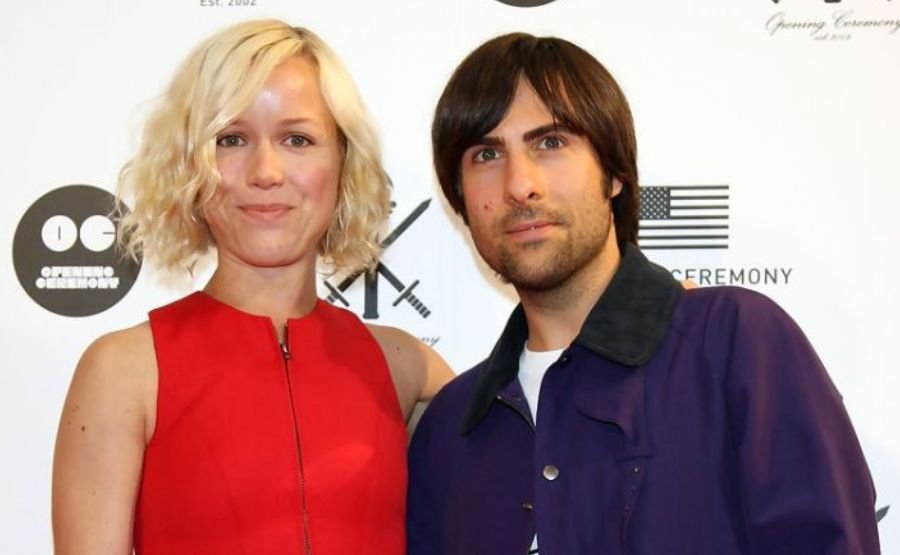
Brady Cunningham: The Creative Architect of Beautiful Spaces and Quiet Lives
Quick Bio
| Detail | Info |
| Full Name | Brady Cunningham |
| Born | Daphne, Alabama, USA (exact date not publicly confirmed) |
| Nationality | American |
| Occupation | Fashion Designer, Interior Designer, Creative Entrepreneur |
| Known For | Co-founder of TENOVERSIX boutique; founder of Wall for Apricots interior design studio; co-creator of sustainable line Souvenir |
| Spouse | Jason Schwartzman (married July 11, 2009) |
| Children | Three — including daughter Marlowe Rivers Schwartzman (b. 2010) |
| In-Laws | Talia Shire (mother-in-law); related to Francis Ford Coppola, Sofia Coppola, Nicolas Cage |
| Notable Press | Vogue, Apartamento Magazine, W Magazine, Refinery29, D Magazine |
| Net Worth | Estimated 500,000–2 million (independent); combined household significantly higher |
A Different Kind of Los Angeles Story
Here is something that does not happen often enough in the design world: someone leaves a small Southern town at nineteen with nothing but ambition and genuine taste, builds a career across New York and Los Angeles through grit and creative instinct alone, and ends up running multiple respected businesses while raising a family inside one of Hollywood’s most culturally storied households.
Brady Cunningham is that person.
Most people who know her name attach it immediately to her husband — Jason Schwartzman, the actor who broke through in Wes Anderson’s Rushmore at eighteen and has been a fixture of American indie cinema ever since. But Brady’s professional story does not begin or end with her marriage. It begins in Alabama, accelerates through Manhattan, and flowers in Los Angeles across multiple creative disciplines that span fashion, retail, interior design, and sustainable manufacturing.
She is not simply a designer’s wife. She is a designer. And the difference matters.
See also “Olga Ospina: Los Angeles’s Colombian-American Weather Anchor Who Built Her Career the Patient Way“
Daphne, Alabama: The Unlikely Starting Point
Brady grew up in Daphne, Alabama — a small city on the eastern shore of Mobile Bay, about fifteen miles across the water from Mobile itself. Daphne is green and subtropical, a place of Spanish moss and slow afternoon heat, with the particular social texture of a small Southern community where everyone knows everyone and the rhythms of life are set by seasons, not industry.
It is not, in any obvious sense, a place that produces fashion designers and interior aesthetes. Which is perhaps exactly why it produced one.
Her father gave her a distinctly masculine name — Brady — which she has said in at least one interview he did specifically to toughen her up. It is a telling detail. A father who names a daughter Brady and explains his reasoning openly is a father thinking about strength, about standing out, about equipping a child to hold her own in a world that does not always make space for women who refuse to be soft about what they want.
Whatever the intention, the name became her. She carries it with the ease of someone who has never needed it explained.
The particulars of her childhood — her parents’ occupations, her siblings if any, the specific contours of her early home life — are not part of the documented public record. She has preserved that early chapter with the same discretion she brings to most of her personal life. What the record shows is simply the next move: at nineteen, she left Alabama for New York.
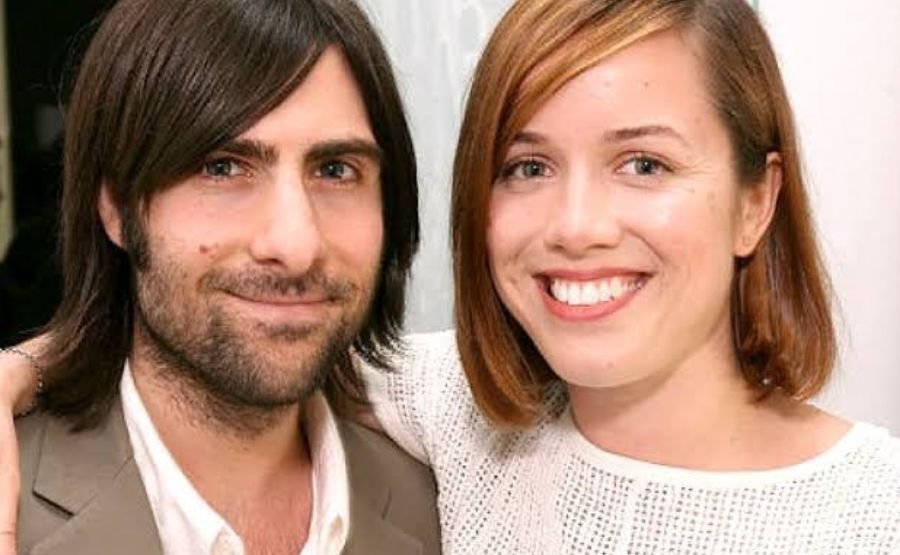
New York at Nineteen: Learning the Industry From the Inside
Moving from Daphne to Manhattan at nineteen is not a gentle transition. It is a complete environmental shock — the scale, the pace, the social density, the relentless professional competition. Most people who make that move at that age spend their first year simply catching up with the city’s speed.
Brady arrived with an instinct for fashion and a clear sense of where she wanted to place herself professionally. She broke into the industry initially through fashion public relations — the machine that connects designers with media, buyers, and cultural gatekeepers. PR work teaches you the whole ecosystem fast. You see which relationships matter, how attention gets managed, what journalists respond to, and how creative vision gets translated into commercial identity.
From there, she moved into a role working directly for John Bartlett — an award-winning New York menswear designer whose work was critically respected and widely covered during his peak years in the late 1990s and early 2000s. Working for a designer like Bartlett meant learning fashion from inside the atelier rather than from the outside: watching how collections got built, how a designer’s creative voice got sustained across seasons, how the business of fashion intersected with and sometimes threatened the artistry.
After accumulating that experience, Brady made another deliberate choice. Rather than continuing to rise through the established fashion system, she enrolled at the Parsons School of Design in New York — one of the most prestigious design schools in the world — to formalize the skills and frameworks her professional work had been building instinctively.
Parsons gave her something that industry experience alone cannot: the vocabulary, the theoretical grounding, and the discipline of a design education. The combination of street-level industry knowledge and rigorous academic training is what separates working practitioners from genuine creative thinkers. Brady had both.
Los Angeles and the Vintage Years
At some point in the early 2000s, Brady made another geographical pivot — from Manhattan to Los Angeles. It was the move that would define the second chapter of her career.
In LA, she took on the role of manager at Resurrection, one of the city’s most distinguished vintage boutiques. Resurrection was not a typical thrift shop or casual resale store. It was a curated, serious establishment where fashion history was treated as a living discipline and the garments on the racks were selected with the eye of a scholar and the instincts of a collector. Managing a store like Resurrection meant developing a deep literacy in fashion history, in what made specific pieces endure, in the relationship between past and present aesthetic.
This period was formative in ways that would become clear only later. The emphasis on curation — on the idea that selecting what to sell is itself a creative act — would become one of the defining characteristics of everything Brady built afterward. TENOVERSIX, her next major endeavor, was essentially Resurrection reimagined for a contemporary context: a space where fashion and art and design coexisted without hierarchy, and where the curatorial vision of the owners was the product.
TENOVERSIX: Building a Cult Boutique from Scratch
In 2008, Brady partnered with Kristen Lee — fellow designer, creative collaborator, and by this point a genuine friend — to open TENOVERSIX on Melrose Avenue in West Hollywood.
The name was cryptic enough to generate curiosity. The shop itself was its own best advertisement: a carefully conceived retail space where women’s contemporary clothing sat alongside art objects, accessories, home goods, and gifts from brands that had rarely or never been available in Los Angeles before. TENOVERSIX operated on the concept shop principle — the idea that a store is not just a sales floor but an editorial statement, a physical expression of a specific point of view about how beautiful, well-made things should exist in the world together.
The fashion press took note almost immediately. Refinery29 covered the launch of TENOVERSIX’s first private label collection. W Magazine ran a profile of Brady and Kristen as the concept took shape. The store became a genuine cultural fixture in the West Hollywood retail landscape — the kind of place that local creatives visited not just to shop but to absorb, to be influenced, to understand what the owners were seeing.
In 2010, Brady and Kristen both became pregnant around the same time — a coincidence they acknowledged with warmth in a W Magazine interview. Brady delivered her daughter Marlowe Rivers that year; Kristen had her own child in close proximity. The synchrony seemed to deepen rather than disrupt their partnership.
The following year, Brady and Kristen developed TENOVERSIX’s first ready-to-wear collection — a range that included signature coats in multiple colorways and graphics, round-toe shoes, and acrylic jewelry, with Vivienne Westwood and Chanel cited as touchstones alongside a deliberately raw and gritty aesthetic that felt distinctly their own. Brady’s personal responsibility in the design division was the ready-to-wear pieces — jackets, coats, and dresses — while Kristen handled accessories.
In 2012, the brand expanded to Dallas, with a second location built into the lobby of The Joule Hotel, a boutique property that had become one of downtown Dallas’s cultural anchors. The Dallas installation divided itself into two distinct spaces: a contemporary fashion boutique on one level and a separately conceived gift shop and lifestyle installation called TENOVERSIX Presents on another. It was an experiment in retail architecture — the idea that a store could contain multiple voices and registers without losing coherence.
Brady spoke in press coverage at the time about the pleasure of opening in a city like Dallas — enthusiastic about art, fashion, and food, but not yet oversaturated with the same brands and concepts that dominated coastal retail. The Dallas expansion reflected her instinct to take the TENOVERSIX vision somewhere it could genuinely be felt as new rather than familiar.
Eventually the Melrose Avenue lease on the original West Hollywood location came to an end, and the business relocated to Miami, adjacent to a bar run by Kristen Lee’s husband. The shift marked a natural evolution rather than a retreat: taking a proven concept into an emerging market, reducing the LA travel demands that had been significant for Brady specifically, and finding a new geography in which the TENOVERSIX aesthetic could mean something fresh.
Souvenir and the Sustainable Turn
Alongside the TENOVERSIX work, Brady co-founded a sustainable clothing line called Souvenir — a project that reflected a growing conviction in the fashion world that the industry’s environmental costs demanded a different kind of approach to production.
Souvenir represented a philosophical turn as much as a commercial one: clothing designed to last, to carry meaning, to be chosen deliberately rather than consumed passively. The Alabama inspiration ran through parts of the label — Brady and Kristen both spoke openly about the South as a creative reference point, connecting the quality and care Many customs involving handcrafted and homemade crafts and their design process.
The timing of Souvenir coincided with the BP Oil Spill in 2010, which devastated the Gulf Coast — the waters of Brady’s Alabama childhood. The disaster, she explained in a W Magazine interview, reset their focus on the Gulf region and on the values of craft, care, and permanence that felt like a response to the disposability that had caused so much damage.
It was a rare moment of public emotional directness from a designer who generally lets the work do the talking.
Wall for Apricots: The Interior Design Chapter
In 2017, Brady opened a new chapter with the founding of Wall for Apricots, a creative consulting and interior design studio co-founded with Katy Burgess — a childhood friend who had spent time commissioning public art in London before returning to Brady’s orbit.
The studio’s name has the quality of good interior design itself: unexpected, specific, slightly mysterious, suggesting a visual world rather than announcing it. Wall for Apricots quickly built a portfolio working primarily with female entrepreneurs on commercial spaces in Los Angeles — a beauty concept bar at ROW DTLA, retail installations, and other environments where the brief was to translate a client’s identity and heritage into physical space.
Wall for Apricots was covered by Sight Unseen, one of the design world’s most respected independent publications, which described the studio’s work in terms of “great taste” and “magical alchemy” — the term used to describe methods that regularly produce outstanding results but are difficult to classify.
Brady and Katy participated in OFFSITE, the design showcase that runs parallel to NYCxDESIGN week, exhibiting a pastel piano that became one of the show’s most photographed pieces. The piece demonstrated something important about Wall for Apricots’ vision: that furniture could be playful and rigorously designed at the same time, that beauty and function did not require choosing sides.
Marriage Into the Coppola Universe
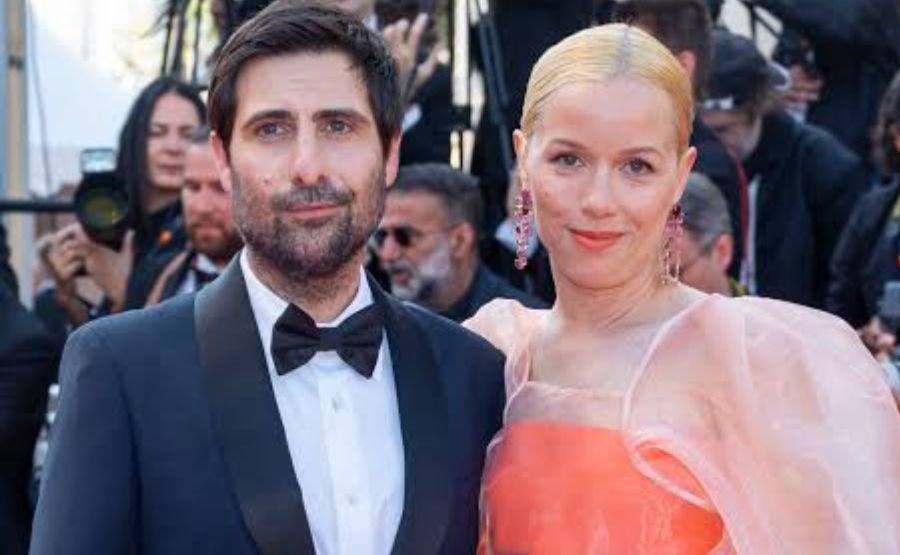
When Brady Cunningham married Jason Schwartzman on July 11, 2009, she did not just marry an actor. She married into one of the most extensive and culturally consequential family networks in American cinema.
Jason is the son of actress Talia Shire — most widely known for playing Connie in The Godfather trilogy and Adrienne in the Rocky films — and the late film producer Jack Schwartzman. Through Talia, Jason is the nephew of Francis Ford Coppola and the first cousin of Sofia Coppola, Roman Coppola, and Nicolas Cage. His brother Robert Schwartzman is a rock musician.
Brady entered this extended family with characteristic groundedness. She and Jason have been consistently described in coverage as a mutually supportive, genuinely private couple. Their home in the San Fernando Valley hills — featured in Apartamento Magazine’s spring/summer 2016 issue — was described as sitting on a hillside above the valley, decorated with Halloween paper skeletons in the trees. It was the portrait of a family home: lived-in, creative, warm.
Together they have three children. Marlowe Rivers Schwartzman, the eldest, was born in 2010. Their family grew with two subsequent children whose names and birth dates have been kept more private. Jason has spoken publicly about how Brady grounds their family life, bringing humor and creative calm into a household surrounded by the demands of entertainment industry schedules.
The Press and the Platform
Brady’s work has been recognized by a range of publications that position her not as a celebrity spouse but as a genuine design voice. Vogue, Apartamento, W, Refinery29, D Magazine — these are not celebrity press; they are fashion and design media that cover practitioners based on the quality of their work.
The Apartamento feature in particular — a magazine known for photographing the homes of artists, designers, and architects with a documentary eye that resists staging — positioned Brady and Jason’s San Fernando Valley home as a genuine creative environment rather than a celebrity showpiece. That kind of coverage reflects editorial judgment, not publicist work.
Her Instagram functions as a genuine design diary: interior images, travel photography, art, and glimpses of family life. It is consistent with everything else about her creative identity — purposeful, visually thoughtful, without vanity.
Hardships: The Private Costs of the Creative Life
Brady Cunningham does not discuss her difficulties publicly. It practically goes without saying that this is a constant aspect of her public persona, yet it is nevertheless noteworthy due to the creative route she took. was not a smooth or guaranteed one.
Building a retail concept from nothing in West Hollywood in 2008 — which arrived in the middle of the worst economic crisis in a generation — required nerve that most people do not test. Expanding to Dallas, managing multiple locations across different cities, co-creating private label collections, sustaining a business partnership over years while both partners were also having children and managing growing personal lives — these are genuinely demanding challenges, even when they look like success from the outside.
The Melrose Avenue shop closing was a transition, not a failure — handled with the candor that Kristen Lee’s interview about the Miami move suggested: clear-eyed about market dynamics, willing to move when the moment called for it. But transitions cost something. They always do.
What Brady has never done is dramatize any of this. The work continues. The studios evolve. The projects stack up.
Net Worth: What Makes Sense
Brady Cunningham’s estimated independent net worth falls somewhere between $500,000 and $2 million, reflecting earnings from TENOVERSIX (retail, private label, multi-location), Souvenir’s sustainable line, Wall for Apricots’ design consultancy, and whatever other professional income streams she has built across a career spanning nearly two decades.
The range is wide because fashion retail and creative consultancy are genuinely variable income streams — dependent on business performance, market conditions, and project volume rather than salary. Her household financial picture is substantially stronger when combined with Jason Schwartzman’s long and active Hollywood career earnings, including his celebrated roles in Rushmore, The Darjeeling Limited, Moonrise Kingdom, and his ongoing film and television work.
What is notable is that Brady’s financial independence — her income as a working designer and entrepreneur — appears to be a genuine priority rather than an afterthought. She has built businesses, not just participated in them.
Where She Is Now
In 2026, Brady Cunningham is based in the Los Angeles area with Jason and their three children. Wall for Apricots continues to take on commercial and residential interior projects, focusing on the female entrepreneurs and creative businesses that have defined its client roster since founding. Her design sensibility — drawn from Alabama memories, Southern craft traditions, mid-century LA aesthetics, and a career-long immersion in the history and present of fashion — continues to develop and deepen.
Jason and Brady purchased a Tudor-style cottage in California in late 2024, suggesting a family in continued transition — building, adjusting, inhabiting their spaces with intention. The house’s preserved red oak floors and latch windows, its vintage stove and farmhouse sink, sound exactly like the spaces Brady would choose.
She remains press-shy by celebrity standards, present on Instagram by design world standards, and productive by any reasonable measure.
Final Words
Brady Cunningham’s story resists the easy narrative. She is not the Alabama girl who got lucky marrying into Hollywood. She is not simply an appendage of a Coppola-connected actor’s life. She is a designer who built her credentials before her marriage gave her any particular public visibility, and who has continued building them steadily in the two decades since.
Her breadth without the cacophony is what sets her apart. Fashion design, retail curation, sustainable production, interior design, creative consulting — these are genuinely different disciplines, and she has contributed meaningfully to all of them without announcing any of them as transformative pivots or personal brands. The work just keeps growing.
The name her father gave her to toughen her up has turned out to be accurate. Not because she is hard or brittle, but because she is consistent. She shows up, she builds, she moves carefully, she doesn’t drift.
From the Gulf Coast of Alabama to a hillside above the San Fernando Valley, with a boutique on Melrose Avenue and a design studio in between — that is a journey made entirely on the strength of creative conviction.
See also “Olga Ospina: Los Angeles’s Colombian-American Weather Anchor Who Built Her Career the Patient Way“
FAQs
1. Who is Brady Cunningham?
American fashion designer and home designer Brady Cunningham is also a creative entrepreneur. She is the co-founder of TENOVERSIX, a boutique retail brand that became a significant presence in West Hollywood and Dallas; the co-creator of the sustainable clothing line Souvenir; and the co-founder of Wall for Apricots, a creative consultancy and interior design firm that she established in 2017. In July 2009, she tied the knot with actor Jason Schwartzman.
2. Where did Brady Cunningham grow up?
She was born and raised in Daphne, Alabama, a small city on the eastern shore of Mobile Bay. She left Alabama at nineteen years old to pursue a career in fashion in New York City.
3. How did Brady Cunningham start her career?
After relocating to Manhattan at the age of 19, she worked in fashion public relations before becoming an assistant to renowned menswear designer John Bartlett. She then enrolled at the Parsons School of Design to formalize her training. She co-founded TENOVERSIX in 2008 after relocating to Los Angeles and managing Resurrection, a reputable vintage store.
4. What is TENOVERSIX?
TENOVERSIX was a concept retail boutique co-founded by Brady Cunningham and Kristen Lee, initially opened on Melrose Avenue in West Hollywood in 2008. The store was known for its distinctive curatorial approach — combining contemporary women’s fashion with art objects, accessories, and home goods in a cohesive aesthetic environment. A second location opened inside The Joule Hotel in Dallas in 2012. The brand eventually relocated the original store to Miami.
5. What is Wall for Apricots?
Brady Cunningham and her childhood friend Katy Burgess co-founded Wall for Apricots, a creative consultancy and interior design firm, in 2017. The practice works primarily with female entrepreneurs on commercial spaces in Los Angeles. It was featured in the OFFSITE design display during NYCxDESIGN week and documented by Sight Unseen.
6. When did Brady Cunningham marry Jason Schwartzman?
On July 11, 2009, she tied the knot with Jason Schwartzman. They have three children together, including their eldest daughter Marlowe Rivers Schwartzman, born in 2010.
7. What famous family did Brady Cunningham marry into?
Through Jason Schwartzman, Brady became the late producer Jack Schwartzman’s daughter-in-law and actress Talia Shire. As a result, she is married to Francis Ford Coppola, Sofia Coppola, Roman Coppola, musician Robert Schwartzman, and Nicolas Cage. Jason is also the grandson of Carmine Coppola.
8. What is the Souvenir clothing line?
Souvenir is a sustainable clothing label co-created by Brady Cunningham and Kristen Lee. It emerged from their shared interest in handmade and craft-based production methods, influenced in part by Southern textile traditions and, according to Brady, reinforced by the ecological impact of the 2010 BP Oil Spill on the Gulf Coast. It represents their commitment to clothing designed to last.
9. What publications has Brady Cunningham been featured in?
Her work has been featured in Vogue, Apartamento Magazine (including a full home feature in Issue 17 alongside Jason Schwartzman), W Magazine, Refinery29, D Magazine, and Sight Unseen, among others.
10. Does Brady Cunningham have a social media presence?
She maintains an Instagram account that functions as a visual diary of her design work, travel, art interests, and family life. Her posts reflect her aesthetic sensibility — purposeful and visual rather than promotional.
11. What is Brady Cunningham’s estimated net worth?
Her independent net worth is estimated between $500,000 and $2 million, reflecting earnings from TENOVERSIX, Souvenir, Wall for Apricots, and related professional activities over a career spanning nearly two decades. The household she shares with Jason Schwartzman represents considerably more combined wealth.
12. What is Brady Cunningham doing in 2026?
In the Los Angeles region, she still manages Wall for Apricots and takes on creative consulting and interior design assignments. She remains engaged in the design world through both commercial work and ongoing creative development, raising her three children with Jason Schwartzman in the Los Angeles area. The family purchased a Tudor-style California cottage in late 2024, suggesting continued investment in their home environment and community.
Explore stories that inspire curiosity with The Imperial Magazine.


2 Comments